Buying Property
Kolonaki vs Glyfada: Where Should You Buy in Athens?
October 19, 2026
Buying Property
Quick answer: Kolonaki and Glyfada are two of the most expensive addresses in Athens, but they suit different buyers. Kolonaki is the central, walkable classic, with the highest residential rents in Attica (about €14/m² a month in 2026) and prices from around €4,500/m² for older apartments to €9,000/m² for renovated homes on the best streets. Glyfada is the coastal alternative on the Athenian Riviera: beaches, newer buildings and family space, rents of about €12.4/m², similar price levels and a growth story tied to the Ellinikon. The rule that decides it for many investors: Kolonaki sits inside central Athens' freeze on new short-term rentals, which the government has announced will run until the end of 2027, while Glyfada does not.
For buyers looking at prime Athens, the shortlist often comes down to two names. Kolonaki, at the foot of Lycabettus Hill, has been the city's most prestigious neighbourhood for generations. Glyfada, on the coast south of the city, has become the cosmopolitan centre of the Athenian Riviera. Both hold their value well, both attract international buyers and both qualify for the Golden Visa at the top tier. The right choice depends less on which area is "better" than on how you intend to use the property, and on a few 2026 rules that change the numbers.
When we learn
something, we share it.
Be the first to hear about market trends, new regulations, government programs, and opportunities shaping Greek real estate.
Indicative 2026 figures for quality residential property. Prices vary widely by street, floor, view and condition, so treat them as directional guidance rather than valuations.
| Factor | Kolonaki | Glyfada |
|---|---|---|
| Location | Central Athens, below Lycabettus Hill, a short walk from Syntagma | Southern coast (Athenian Riviera), about 15 km from the centre |
| Typical price per m² | €4,500–€6,500 older stock; €7,000–€9,000+ renovated or prime | €4,500–€7,000 most stock; €8,000–€10,000+ new-build with sea views |
| Average rent (2026) | About €14/m² a month, the highest in Attica | About €12.4/m² a month |
| Indicative gross yield, long-term let | About 3–3.5%, higher for renovated furnished lets | About 2.5–3%, higher with seasonal letting |
| Short-term rental (Airbnb) | New registrations frozen until the end of 2027 | Open to new registrations |
| Typical homes | 1950s–1970s apartment blocks, some neoclassical buildings, little new-build | Newer apartments, maisonettes and villas; an active new-build market |
| Getting around | Metro at Syntagma and Evangelismos; a Line 4 station under construction | Tram to the centre, Elliniko metro (Line 2) nearby; largely car-based |
| Golden Visa | €800,000 minimum, one home of at least 120 m² | €800,000 minimum, one home of at least 120 m² |
| Best for | City living, long-term letting, prestige, liquidity | Families, beach lifestyle, capital growth, holiday letting |
Kolonaki: Prestige at the Heart of the City
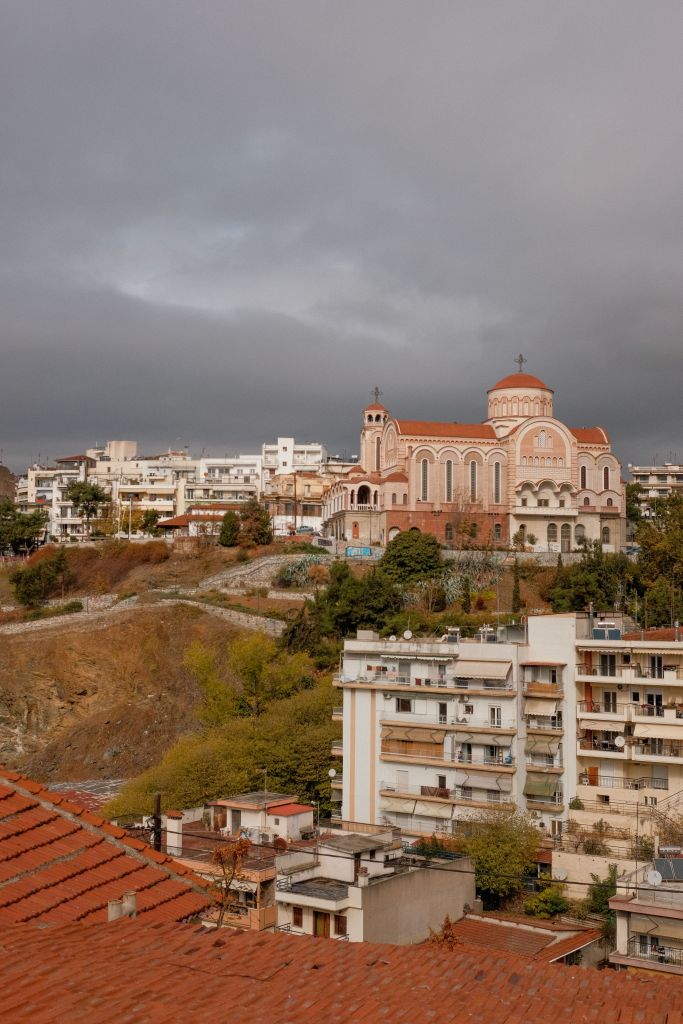
Kolonaki packs embassies, galleries, designer boutiques, cafés and some of Athens' best museums, including the Benaki Museum and the Museum of Cycladic Art, into a few walkable streets between Syntagma and Lycabettus Hill. That mix of central location and lasting cachet is why it has remained the city's benchmark address through every market cycle.
For investors, Kolonaki's strength is demand. Professionals, diplomats, academics and long-stay visitors keep vacancies short, and RE/MAX Greece's 2026 rental survey again ranks Kolonaki as the most expensive rental area in Attica at about €14/m² a month, unchanged on 2025. Flat rents at that level are the mark of a mature, top-of-market location: income is high and stable, but future growth comes from improving the property rather than from the market alone.
Points to weigh:
- Older building stock. Most homes sit in post-war apartment blocks where electrics, plumbing, insulation and lifts often need upgrading. This is exactly where a well-planned renovation adds value.
- Scarce parking. A private parking space is rare and adds noticeably to the price.
- Almost no new supply. New construction is minimal, which supports values but limits choice.
- A new metro station. Athens Metro Line 4 will add a station at Kolonaki Square. It is under construction and expected towards the end of the decade.
Glyfada: Coastal Living with a Growth Story
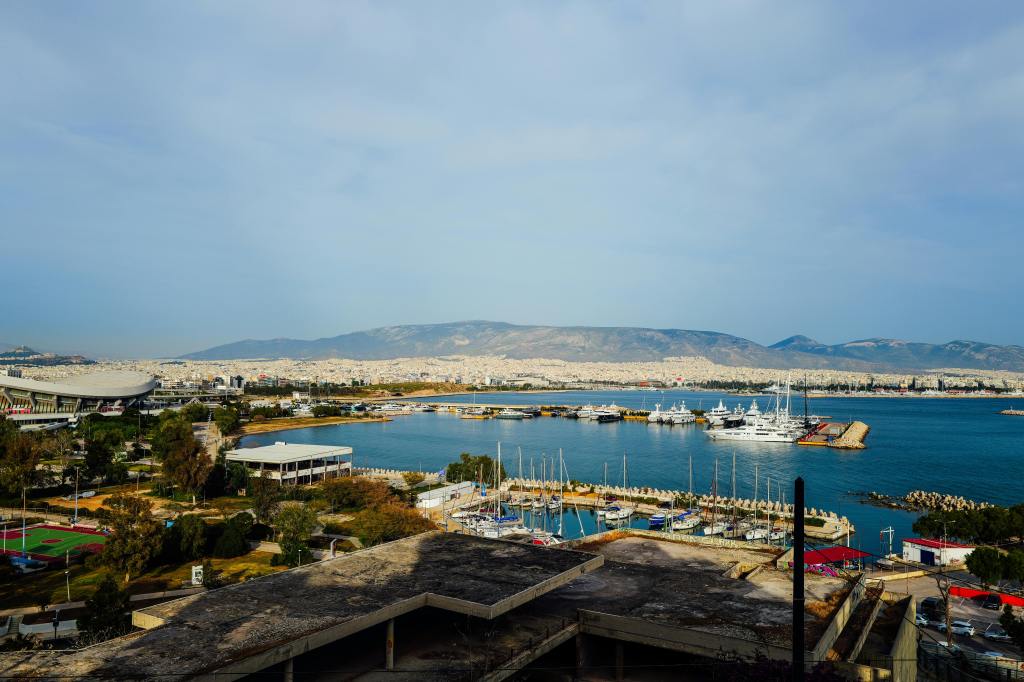
Glyfada combines a real town centre, with shopping streets, restaurants, marinas and the Glyfada Golf Club, with beaches a few minutes away. It draws families, returning Greeks and international buyers who want space, sea air and a slower pace while staying within reach of central Athens by tram and car.
Its growth story is next door. The Ellinikon redevelopment of the former airport, with its metropolitan park, Riviera Tower, marina and new neighbourhoods, is steadily raising the profile of the entire southern coastline. Rents reflect it: RE/MAX's 2026 data put Glyfada at about €12.4/m² a month, while neighbouring Elliniko recorded one of the sharpest rent rises in Attica at 9.1%.
Points to weigh:
- Thinner yields. Prices have moved ahead of rents, so long-term yields are lower than in central Athens.
- Seasonality. Holiday letting is strongest from May to October; out of season, demand shifts to long and mid-term tenants.
- A premium for the new. New-builds and sea views command a large premium over older homes a few streets inland.
- Car dependence. Away from the centre and the tram line, daily life is car-based.
Prices and Rents in 2026
Both areas sit at the top of the Athens market, and both have kept rising, though more slowly than in 2022–2024. Bank of Greece data show apartment prices in Athens up 5.0% year-on-year in the second quarter of 2026. Spitogatos ranks the southern suburbs as the most expensive region in Greece by average asking price, with Glyfada, Voula and Elliniko among the priciest areas alongside Kolonaki–Lycabettus.
Reported deals confirm the premium: one Glyfada apartment sold for about €6,550/m², roughly 50% above its official "objective value". In Kolonaki, older apartments that need work still trade from about €4,500/m², while fully renovated homes on the best streets reach €7,000–€9,000/m². That is why the gap between buying well and buying finished is widest in Kolonaki.
The Rule That Changes the Maths: Short-Term Letting
Kolonaki lies within the 1st Municipal Community of Athens, where new short-term rental (AMA) registrations have been frozen since January 2025. In September 2026 the government announced that the freeze will be extended to 31 December 2027. A buyer should therefore not plan on new Airbnb income in Kolonaki. The realistic models are long-term letting, or furnished mid-term stays of two months or more, which fall outside the short-term rules and remain in strong class="subtitle subtitle--1" demand from professionals and visiting academics.
Glyfada lies outside the restricted zone, so new registrations remain possible and summer demand on the Riviera is strong class="subtitle subtitle--1". According to AirDNA, Greek short-term rentals earned €142.80 per available night in July 2026, up 14.3% year-on-year. Model the whole year, not just August; our short-term rental guide explains how.
One rule applies to both areas: a property bought for the Golden Visa cannot be used for short-term rental at all, under penalty of a €50,000 fine and loss of the permit.
Golden Visa Buyers: What €800,000 Buys
Both neighbourhoods are in Attica, so the Golden Visa minimum is €800,000, invested in a single residential property of at least 120 m². At current prices, that typically means a 120–150 m² apartment in a good older Kolonaki building, often one that will need renovation, or a 120–160 m² apartment in Glyfada, including newer stock. Because Golden Visa homes cannot be let short-term anyway, Kolonaki's rental freeze matters far less to these buyers than to pure investors. Our guide to Golden Visa-eligible properties covers the selection criteria in detail.
Non-EU buyers should also note that in September 2026 the government announced plans to raise the transfer tax on homes bought by third-country buyers from 3.09% to around 15% from 2027. The legislation, start date and exemptions had not been published at the time of writing, so discuss timing with your advisors before you commit.
Kolonaki vs Glyfada at a Glance
| If your priority is… | Choose | Why |
|---|---|---|
| Steady long-term rental income | Kolonaki | The highest rents in Attica and deep year-round tenant demand |
| Capital growth | Glyfada | The Ellinikon-led repositioning of the Riviera |
| Holiday or short-term letting | Glyfada | Open to new registrations, with strong summer demand |
| A family home with space | Glyfada | Larger homes, gardens, beaches and sports facilities |
| Walkable city life and culture | Kolonaki | Museums, restaurants and Syntagma on foot |
| Adding value through renovation | Kolonaki | Older stock where a full renovation lifts both rent and resale value |
| Easy resale | Either | Two of the most liquid prime markets in Greece |
The Verdict
There is no universal winner. Kolonaki is the strong class="subtitle subtitle--1"er choice for income and city living: higher rents, short vacancies and the security of Athens' most established address, with value to unlock through renovation. Glyfada is the strong class="subtitle subtitle--1"er choice for lifestyle and growth: the coast, more space and a neighbourhood still being lifted by one of Europe's largest regeneration projects. Many of our clients settle it with one question: will you live in it, let it, or both? The answer usually points clearly to one side of the city.
How Nest Land Helps
Nest Land works on both sides of the city. We have renovated and delivered homes in Kolonaki, including our own Kolonaki apartment project, and advise buyers across the Athenian Riviera. We source on-market and off-market properties in both areas, run legal and technical due diligence, handle the purchase and any renovation, and manage the property afterwards as a long-term, mid-term or holiday let, depending on what the location and the rules allow.
Which Area Suits You?
Is Kolonaki or Glyfada more expensive?
They trade in a similar range. Older Kolonaki apartments start at around €4,500/m² and renovated prime homes reach €7,000–€9,000/m². Most Glyfada homes sit at about €4,500–€7,000/m², with new-build sea-view properties at €8,000–€10,000 or more.
Which area has the higher rental yield?
Kolonaki. It has the highest average rents in Attica, about €14/m² a month in 2026, against about €12.4/m² in Glyfada. That gives indicative long-term gross yields of about 3–3.5% in Kolonaki and 2.5–3% in Glyfada.
Can I run an Airbnb in Kolonaki?
Not with a new registration. Kolonaki is in Athens' 1st Municipal Community, where new short-term rental registrations are frozen, and the government has announced an extension to 31 December 2027. Long-term lets and mid-term stays of two months or more remain possible.
Can I get a Golden Visa by buying in Kolonaki or Glyfada?
Yes. Both are in Attica, so the minimum is €800,000 invested in a single residential property of at least 120 m². Golden Visa properties cannot be used for short-term rental.
Which area is better for families?
Usually Glyfada, for its larger homes, gardens, beaches and sports facilities. Families who prefer central city life often choose Kolonaki for its walkability, culture and services.
Frequently Asked Questions
Tell us what you're looking for and we'll move it forward
Start by getting in touch, we’ll curate the right options for you. Feel free to decide your next step.